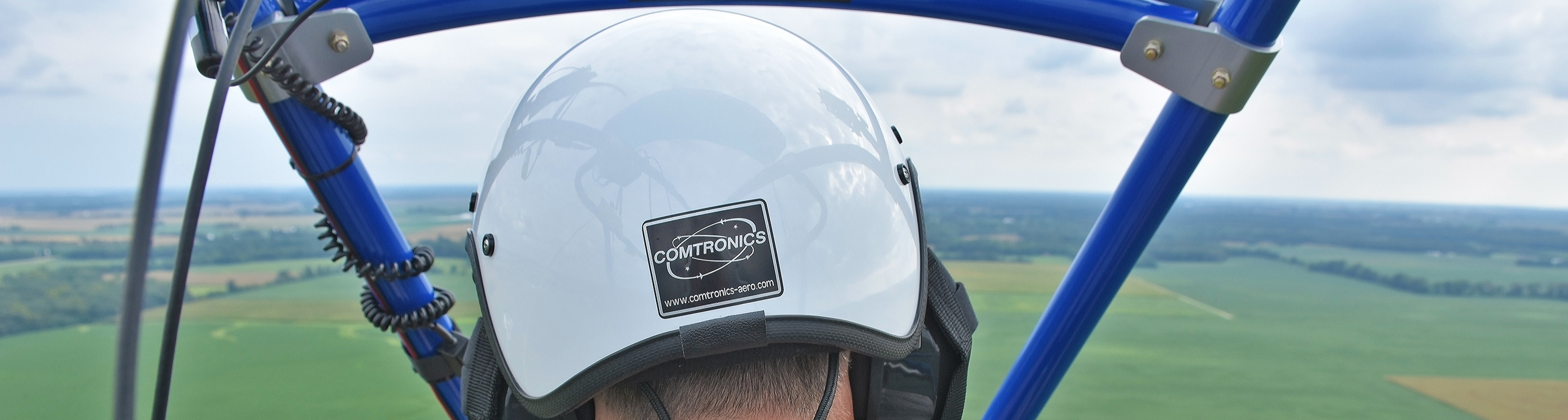
Becoming a Sport Pilot
Making It Through the FAA System and Getting Your Sport Pilot Powered Parachute Rating
Step 1. Know what the FAA wants.
The FAA is interested in making sure that anyone wanting to become any kind of pilot has three things. Those are:
- Flying knowledge.
- Flying experience.
- Proficiency in flying an aircraft.
The good news is that flying a powered parachute is far simpler than flying most anything else in the world. The FAA requirements to become a licensed powered parachute pilot reflect that. Those wanting to become licensed in other aircraft have to spend more time gaining flying experience and have to do more to demonstrate proficiency in their respective aircraft than you will as a powered parachute sport pilot applicant.
Step 2. Gain the necessary knowledge.
There are a couple of ways to get the knowledge needed to become a sport pilot. If you are the home study kind of guy or gal, ASA offers a great producs to prepare you for the 'knowledge test' that the FAA requires you take if you don't already have any other ratings. What you are looking for is the Private Pilot (and Sport Pilot) Test Prepware for your computer or mobile device.
Another way to get training is to attend a sport pilot ground school. The advantages to a ground school are many. First, a ground school prepares you for more than just the knowledge test. It also provides you with the necessary knowledge needed to pass the practical test that you will also need to complete. Even more important, a good ground school will also provide you with good, practical knowledge that will keep you safe and legal throughout your flying experiences. One of the best ground schools available is offered by Jim Sweeney of SweeneyCorp. You can travel to one of his prearranged training sites or you can arrange for him to travel to your location if you have enough other students available. Another alternative is to attend a local airplane pilot ground school. Much of the content is the same and a good instructor should be able to refer you to reasources to complete the missing powered parachute and sport pilot portions in his program.
Step 3. Get your flying experience and prepare for your check ride.
In order to qualify for a sport pilot license, you must have a certain level of flying experience. In the Federal Aviation Regulations, §61.313(g), the FAA requires that in order for you to be able to apply for a sport pilot license in powered parachutes you must:
- Log at least 12 hours of flight time in a powered parachute
- Including at least 10 hours dual flight training
- Including at least 2 hours of solo flight training
- Including at least 1 hour of cross-country dual flight training
- Including at least 1 hour of dual flight training preparing for the practical test within two calendar months before the date of the practical test
- Log at least 20 takeoffs and landings to a full stop in a powered parachute
- Including at least 10 solo takeoffs and landing to a full stop in a powered parachute
- Log at least one solo flight with a landing at a different airport and one segment of the flight consisting of a straight-line distance of at least 10 nautical miles between takeoff and landing locations
Step 4. Take your check ride and get your license.
Your instructor should know when you are ready to take your check ride. When you are, he will make the proper endorsements in your log book and help you fill out your FAA Form 8710-11. At that point you will be ready and able to take your practical test and get your license for sport pilot. For more information on preparing for and passing your flight test, visit Preparing for a Powered Parachute Practical Exam.